
Litchfield Park Pruning Services
Choose our expert pruning services for healthier plants, enhanced curb appeal, and meticulous care that ensures your landscape thrives season after season.
Get a Free QuoteOur Litchfield Park Landscaping & Yard Care Services
When to Schedule Pruning in Litchfield Park, Arizona – Seasonal Guide
Pruning in Litchfield Park, Arizona, is best scheduled with careful attention to our unique Sonoran Desert climate and the specific needs of local landscapes. The optimal time for most pruning is late winter to early spring, just before new growth begins and after the risk of frost has passed—typically around late February to early March. This timing helps minimize plant stress and encourages healthy regrowth, especially for trees and shrubs common in neighborhoods like Dreaming Summit and Old Litchfield.
Local environmental factors such as our low annual precipitation, high summer temperatures, and occasional winter frosts play a significant role in determining the best pruning schedule. Soil types in the area, ranging from sandy loam to clay, can affect root health and recovery after pruning. Additionally, shade coverage from mature trees in areas near Tierra Verde Lake Park or the Wigwam Resort may influence how and when to prune. For more information on local regulations and best practices, consult resources like the Sudbury municipal site.
Local Factors to Consider for Pruning in Litchfield Park
- Tree and shrub density in your yard
- Proximity to landmarks or municipal areas with specific restrictions
- Soil composition and drainage
- Recent precipitation and drought risk
- Frost dates and seasonal temperature swings
- Shade coverage from established trees
- Terrain and accessibility for equipment
Benefits of Pruning in Litchfield Park
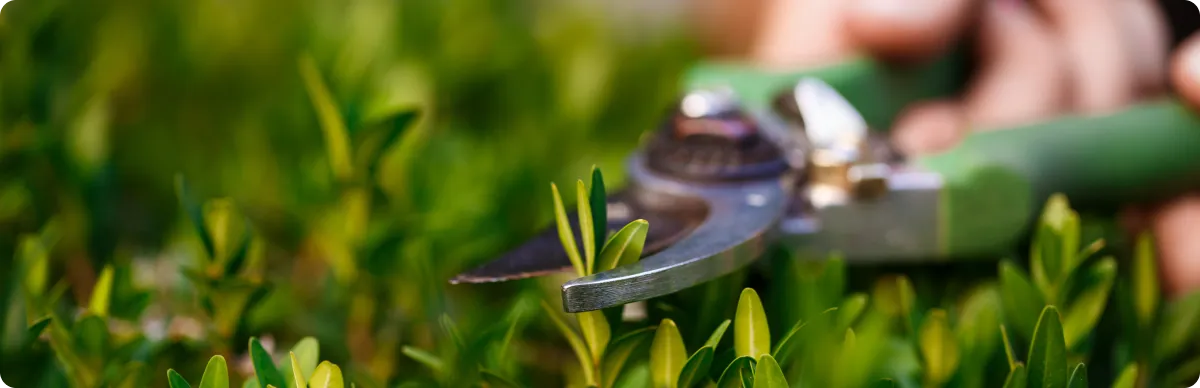
Enhanced Plant Health
Improved Curb Appeal
Increased Flower and Fruit Production
Pest and Disease Prevention
Professional Expertise
Customized Landscaping Solutions
Litchfield Park Pruning Types

Crown Thinning
-
Crown Raising
-
Crown Reduction
-
Deadwooding
-
Formative Pruning
-
Pollarding
-
Vista Pruning
Our Pruning Process
Site Evaluation
Plant Selection
Targeted Pruning
Debris Removal
Final Inspection
Why Choose Litchfield Park Landscape Services
Litchfield Park Homeowners Trust Us
-
Comprehensive Lawn Maintenance
-
Reliable Irrigation Solutions
-
Expert Tree and Shrub Care
-
Weed and Pest Control
-
Seasonal Cleanup Services
-
Competitive Pricing
-
Satisfaction Guarantee
Coordinating Pruning Services with Litchfield Park's Municipal Departments and Programs
Pruning on residential and commercial properties in Litchfield Park requires awareness of municipal expectations for property maintenance, right-of-way clearance, and green waste handling. The city's Code Enforcement division monitors vegetation that encroaches on sidewalks, obstructs sight lines at intersections, or creates hazards along public rights-of-way. Property owners and managers should verify whether trees or shrubs along street frontages require clearance to maintain pedestrian and vehicular safety before scheduling pruning work. Green waste generated from pruning—including branches, clippings, and woody debris—must be managed in accordance with the city's bulk disposal and collection guidelines. Residents should contact Litchfield Park Public Works to confirm current procedures for curbside brush pickup, bundling requirements, and any seasonal collection schedules.
- Confirm right-of-way clearance standards with Code Enforcement before pruning street-facing vegetation
- Coordinate green waste removal through Public Works bulk collection or approved hauling
- Ensure pruning debris does not accumulate in drainage channels, curb inlets, or retention basins
Litchfield Park Code Enforcement
Official Website: Litchfield Park Code Enforcement
Litchfield Park Public Works
Official Website: Litchfield Park Public Works
How Litchfield Park's Low-Desert Heat and Soils Influence Pruning Decisions
Litchfield Park sits within the Phoenix metropolitan low desert, classified in USDA Hardiness Zone 9b to 10a, where summer temperatures routinely exceed 110°F and winter frost events are brief but possible. These conditions directly shape when and how pruning should be performed. Soils across much of the city tend toward alkaline sandy loam and may include caliche layers at varying depths, which can restrict root development and make trees more dependent on irrigation for structural stability. Reflected heat from block walls, concrete driveways, and decomposed granite surfaces intensifies sun exposure on pruned canopies, increasing the risk of sunscald on freshly exposed bark. Monsoon storms from July through September bring sudden high winds that can turn unpruned deadwood into projectiles or cause poorly structured limbs to fail.
- Alkaline, calcium-rich soils limit nutrient uptake and can weaken branch wood over time
- Reflected heat from hardscape amplifies thermal stress on exposed interior branches after pruning
- Monsoon microbursts create urgent demand for pre-season deadwood and structural pruning
- Irrigation-dependent trees may exhibit rapid sucker growth that requires follow-up maintenance
Navigating Litchfield Park's Regulatory Framework for Tree and Shrub Pruning
Property owners in Litchfield Park should be aware that pruning activities may intersect with several layers of local and state regulation. The city's Development Services department oversees site-related compliance, and certain pruning work—particularly on properties within planned area developments or near designated open space—may require coordination with zoning conditions or landscape plan requirements. Many Litchfield Park subdivisions operate under HOA-administered design guidelines that impose additional standards on tree canopy maintenance, hedge height, and species preservation. At the state level, any commercial applicator using chemical wound treatments or pest-control products during pruning operations must hold appropriate credentials through the Arizona Department of Agriculture. Stormwater compliance is also relevant: pruning debris must not enter storm drains or washes, consistent with the city's Storm Water Management program and Arizona DEQ stormwater requirements.
- Verify HOA landscape guidelines before removing or heavily reducing any tree or hedge
- Confirm whether landscape plan conditions restrict pruning of specific designated trees
- Ensure pruning contractors hold valid state licensing if applying any pesticide or sealant
- Prevent all clippings, sawdust, and branch debris from entering storm drains or retention areas
Litchfield Park Storm Water Management
Official Website: Litchfield Park Storm Water Management
Timing Pruning Around Litchfield Park's Monsoon Season and Extreme Heat Cycles
Professional pruning in the low desert follows species-specific timing windows rather than a single calendar date. Most desert-adapted trees—including palo verde, mesquite, and ironwood—are best pruned during late winter dormancy or early spring before temperatures climb above 100°F, allowing wounds to compartmentalize before heat stress peaks. Citrus trees common throughout Litchfield Park should generally be pruned lightly after the last frost risk has passed, typically in late February or March, and heavy structural cuts should be avoided during summer to prevent sunburn on exposed fruit wood. Deadwood removal and hazard reduction pruning should be completed before the monsoon season begins in mid-June, as the National Weather Service Phoenix office typically issues the first monsoon outlooks by late June. The Arizona Department of Forestry and Fire Management encourages communities to maintain sound urban tree canopies through proper structural pruning rather than excessive topping or lion-tailing. Certified arborists can be located through the Arizona Community Tree Council directory.
- Remove deadwood and crossing branches before monsoon winds arrive in July
- Avoid heavy pruning of any species during peak summer heat (June through August)
- Prune frost-damaged wood only after new spring growth confirms the extent of dieback
- Use thinning cuts rather than heading cuts to preserve natural branch structure and reduce wind resistance
What Neighborhoods Do We Serve Throughout Litchfield Park, AZ?
- Litchfield Park Historic District — Mature shade trees including large mesquites and established citrus require careful structural pruning to preserve canopy integrity on older irrigated lots.
- Village at Litchfield Park — Properties with mixed desert and ornamental plantings benefit from species-specific pruning schedules that account for HOA appearance standards.
- Dreaming Summit — Newer subdivision landscaping often features young desert-adapted trees that need formative pruning to develop strong branch architecture early.
- Wigwam Creek — Proximity to drainage corridors and retention areas makes pre-monsoon deadwood removal especially important to prevent debris from entering waterways.
- Russell Ranch — Larger residential lots with diverse plantings may require coordinated pruning across multiple tree and shrub species throughout the year.
- Grasslands at Litchfield Park — Established neighborhood trees and hedges along common areas often need clearance pruning to maintain sidewalk and street visibility.